A walking meeting that people cannot refuse fails as a workplace conversation. It is not proof that someone is well, and it is not a service. Use it only when the person can refuse, the route is ordinary to walk, and the subject is safe to hold outdoors.
Acas, the UK workplace advisory service, says on its mental health at work pages — read here on 15 October 2026 — that if a worker has poor mental health, the employer should take it as seriously as a physical illness. It also says not everyone shows obvious signs, and that managers should not make assumptions. Those two points are the limit on a walking meeting: you cannot see from a pace, or from a refusal to walk, what someone needs.
Offer a walking conversation as one option beside a seated one. Do not require it, do not treat it as care, and do not take it somewhere private information can be overheard.
What a manager can and cannot take from a walk
Acas says signs at work can include someone appearing tired, anxious, or withdrawn, more absence or lateness, or a change in the standard of work. It also says those signs are easy to miss and easy to misread. A walk does not clarify them. Asking someone to “just step outside” so they will open up is pressure, not a conversation.
On confidentiality, Acas tells managers to reassure the person that what they say will not be shared without permission, unless there is a good reason, and then to be clear about who will be told and why. A path beside an open window, or a loop through a busy lobby, is a poor place for that conversation. If the topic is health, performance, or anything the person has not agreed to discuss in public, stay in a room.

Acas also says a manager might point someone toward occupational health, an employee assistance programme, or their GP. That is a direction to another service. It is not something a colleague provides by walking. This site does not list those services’ phone numbers and does not provide them.
When the route itself is the problem
The U.S. Access Board says portions of an accessible route with a running slope steeper than 5 percent must be treated as ramps, and that a ramp’s running slope is limited to 1:12. A sloping path behind an office can fail that test even when it looks like a normal pavement. People who use a wheelchair, who walk with difficulty, or who need to carry notes cannot join a meeting that only exists on that path.
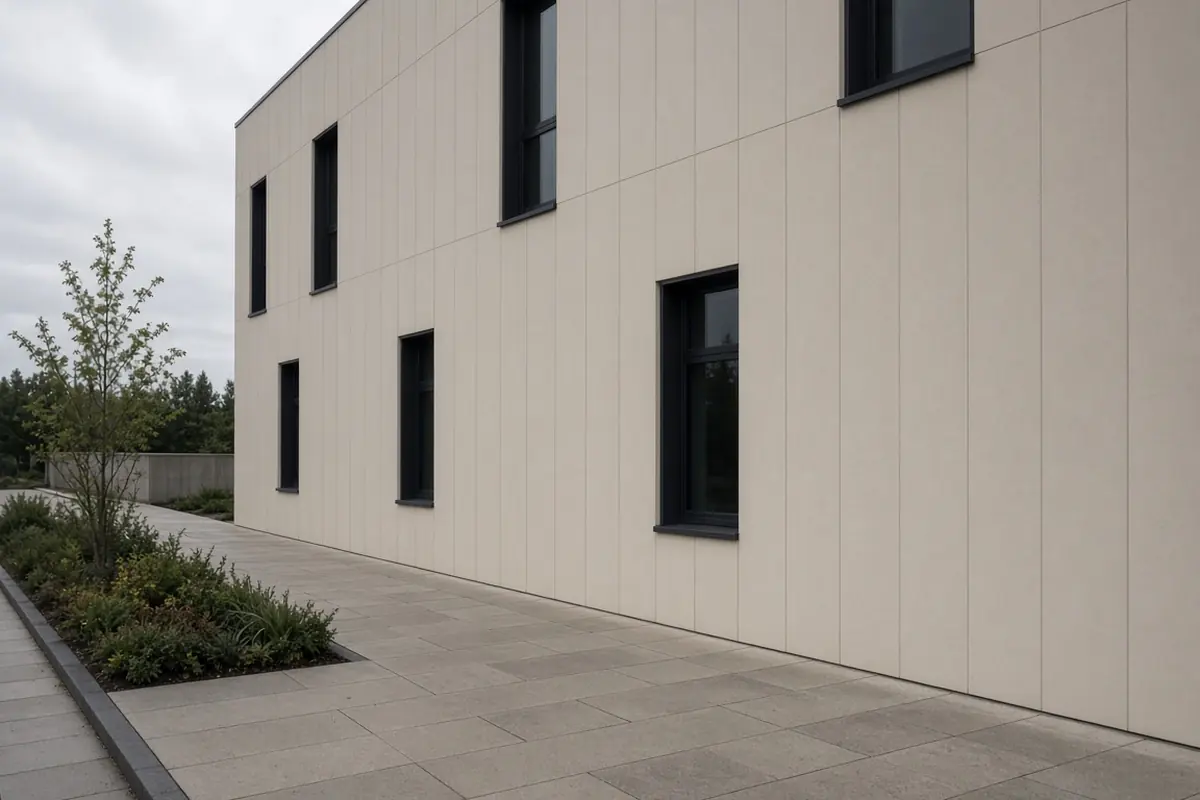
Keep a seated alternative in the same invitation. The measurements for a public walking route are in how to organise an inclusive walk. Do not invent a shorter “wellbeing loop” and describe it as accessible without measuring it.
Adjustments are not a walking programme
Acas says that where a mental health problem could reasonably be believed to be a disability, the employer must make reasonable adjustments. It also says that even when the problem is not a disability, the job may be making it harder to deal with, and the employer should still consider changes. Examples it gives include more frequent, shorter breaks. It notes that what works now might not work later.
A walking meeting is not one of those adjustments unless the person has asked for it. Offering only a walk, or praising people who join, makes the walk a test. Language for talking about this without guessing a diagnosis is in respectful language for mental health conversations.
When not to walk
Do not walk the meeting when the person has said no, when the route is steep or obstructed, when other people can hear, or when the conversation is about health, discipline, or pay. Do not describe the walk as support, treatment, or a substitute for occupational health. Other notes in this topic are on Workplace Wellbeing.