
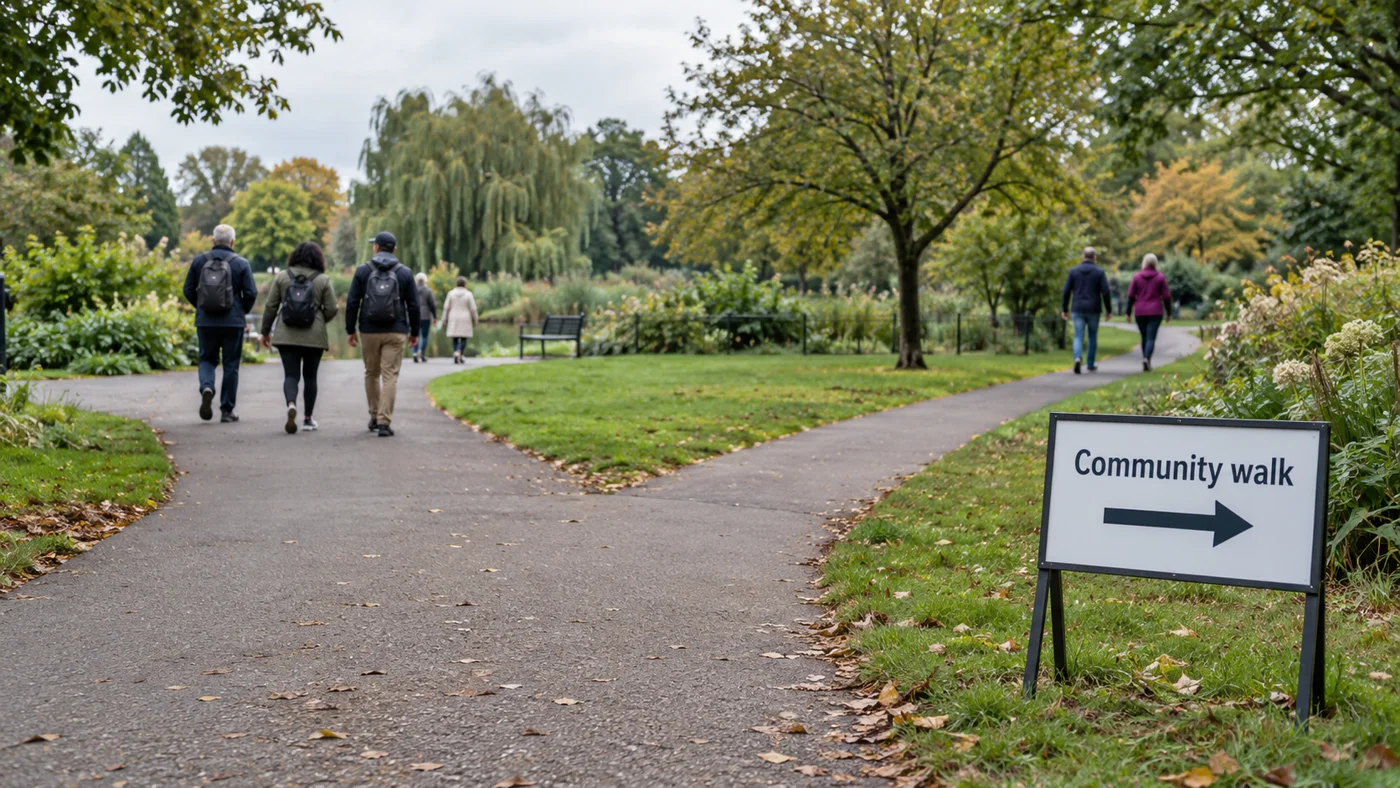
Wayfinding on a Community Walk: Marks, Decision Points and What to Remove After
Plan temporary event wayfinding: choose decision points, review walking route signage, and prepare a sign record for placement, checks and removal.
Plan temporary event wayfinding: choose decision points, review walking route signage, and prepare a sign record for placement, checks and removal.
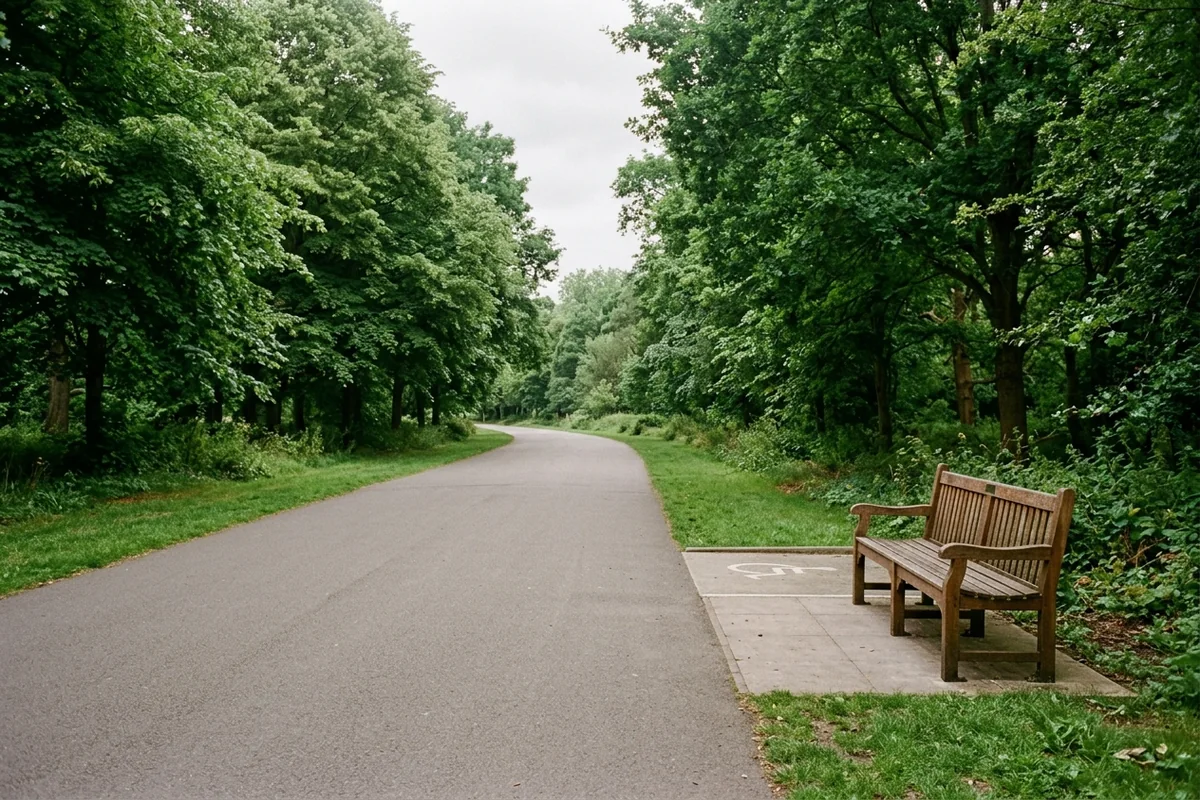
Plan conversational walking pace groups with UK DfT 1.5–2.0 m side-by-side path widths, 21-minute time-based turn-back benches, and sweep leader route cards.
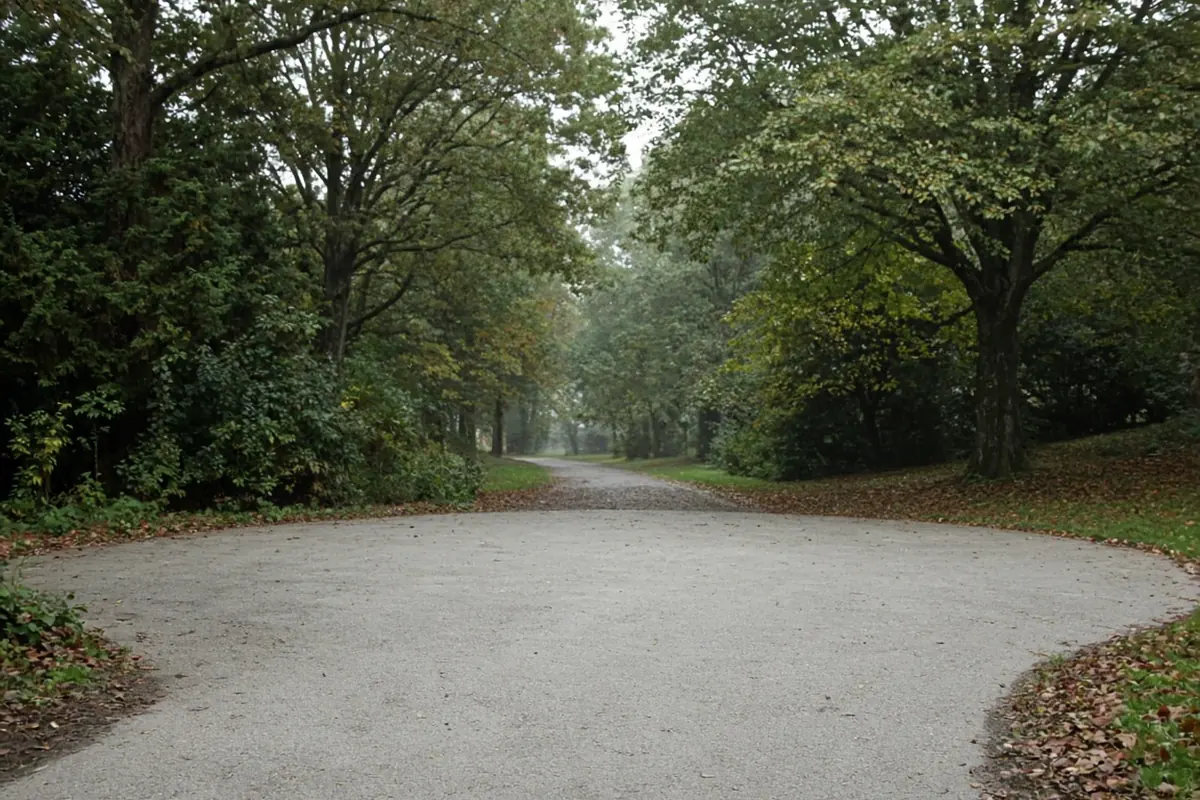
Field-reconnaissance accessibility audit checklist for outdoor events and routes covering PROWAG R302/R304 slopes, ASTM F1951 surface firmness, ADA toilets, and PAS 6463 quiet tents.

Operational guide to designing an inclusive corporate wellness challenge using capped active-day streaks, personal baseline gain indexing, and 2024 Compendium activity conversions.

Operational guide to mental health first aid at work: non-clinical ALGEE boundaries, crisis escalation triggers, GDPR/ADA data firewalls, and 4-tier referral directories.
Operational guide to low-barrier workplace wellness ideas across office, remote, shift, and mobility-diverse teams using NIOSH Total Worker Health and ISO 45003 controls.

Operational guide on how to start a walking club: PROWAG R302 step-free route checks, 300–500 m bench spacing, 3-tier MET pace cohorts, volunteer back-marker ratios, and pocket ICE cards.
Plan a walk people can join, pause, and leave: route width, slope, passing space, and stops from public accessibility guidance.
A walking conversation at work is optional and confidential.